Kage
A shelf reduced to a single sheet.
KAGE is a wall-mounted shelf made from sheet metal.
Instead of adding structure to the material, the design asks how much
structure can be created from the material itself.
A flat sheet is cut and formed through a small number of bends to create
the shelf, side guards and integrated utility features.
The sheet is the structure.
The structure is the design.
There is no attempt to hide the sheet metal.
Its folds, edges, openings and planes remain visible.
The character of KAGE comes from how the material has been shaped to
perform its job.
The construction is part of the appearance.
PRINCIPLE
The material does the work.
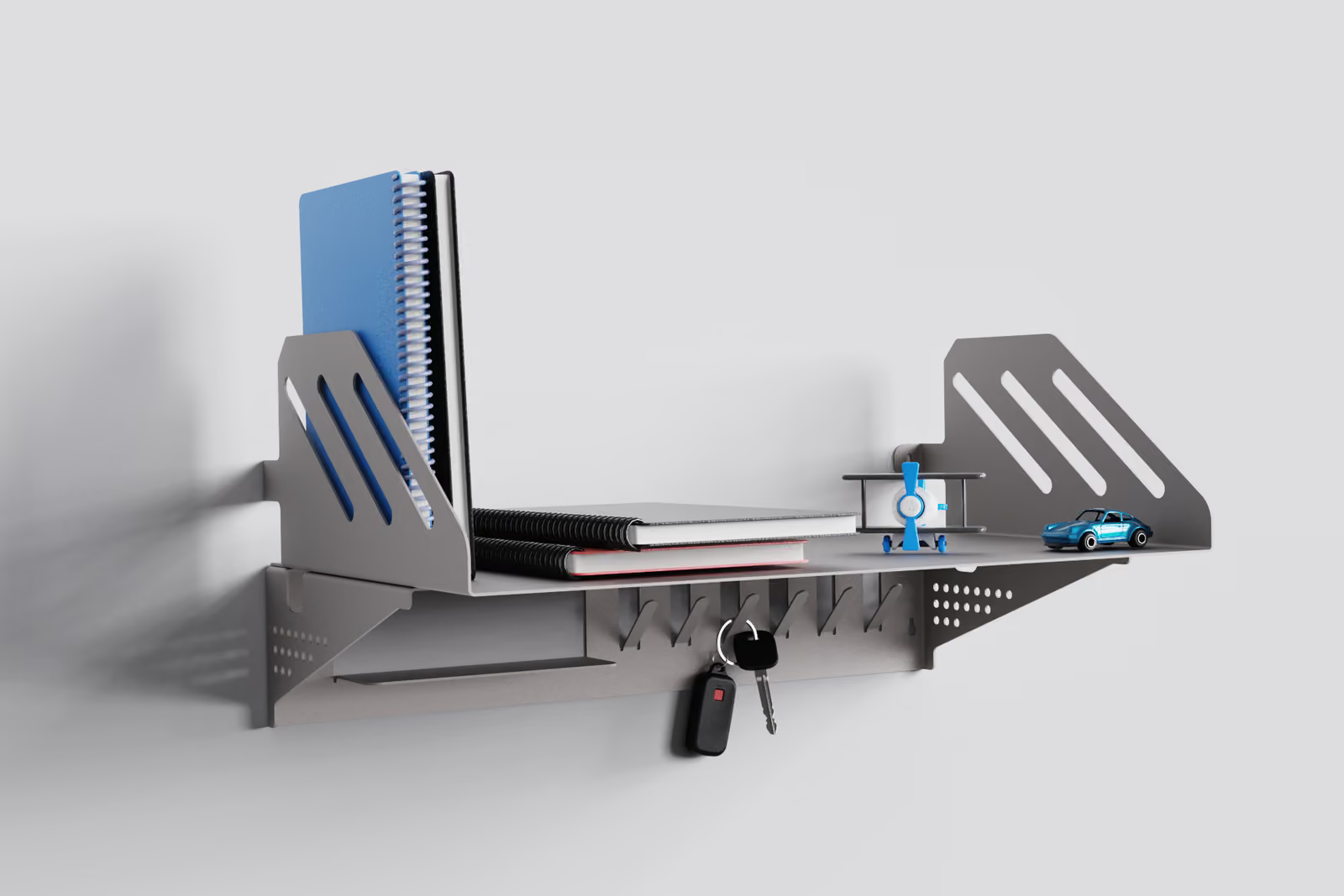
The material does the work - cut, bend, flex.
Every decision comes from the sheet, not against it.
KAGE was developed around the behaviour of sheet metal rather than
treating fabrication as something to solve after the form was designed.
ONE SHEET
Start flat.
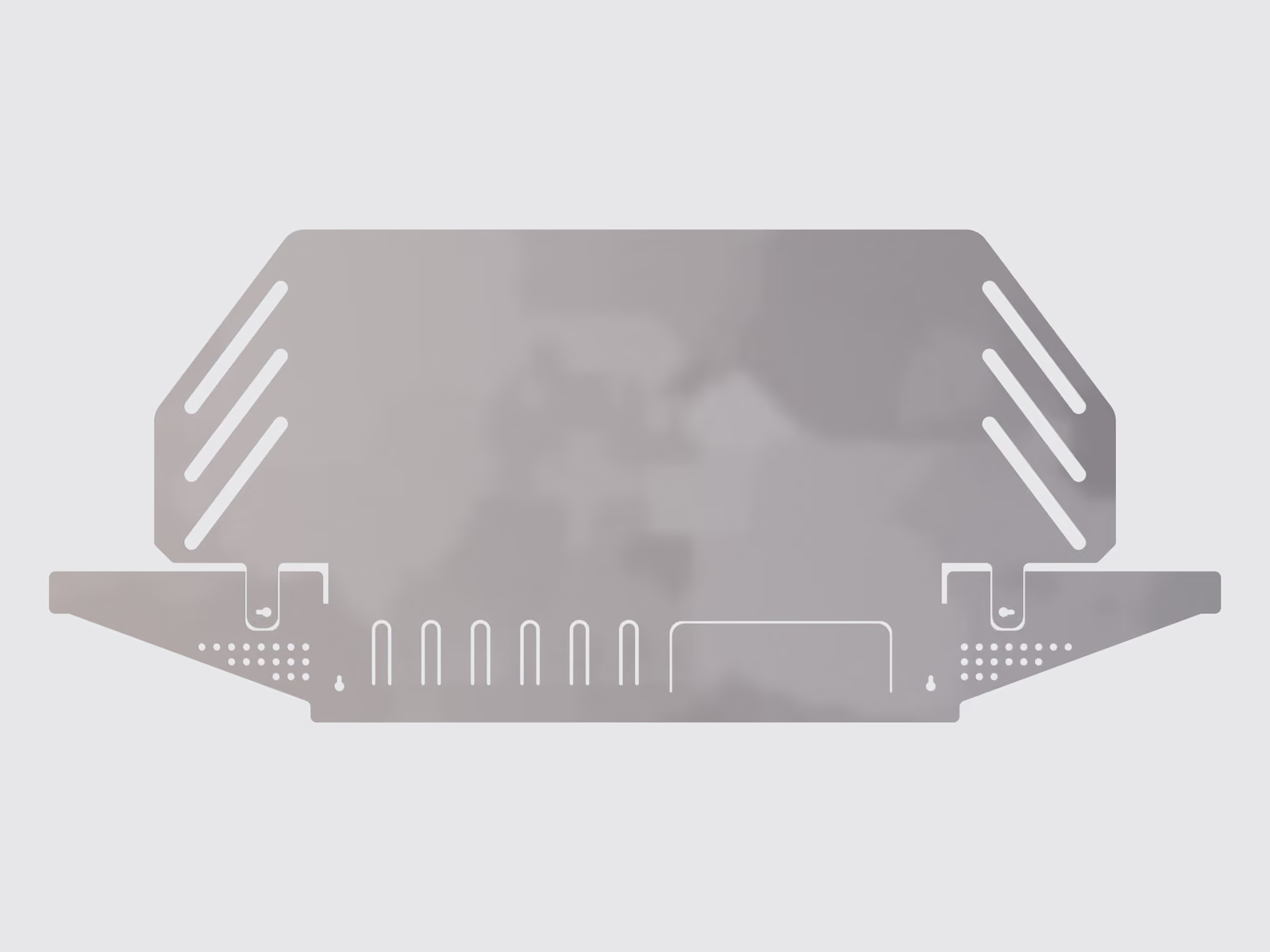
Before it becomes a shelf, KAGE is a flat sheet.
The useful parts are not added later. They are cut into the blank from
the beginning.
- 01Shelf
- 02Side guards
- 03Utility details
One piece carries the shelf, the side guards and the smaller utility
details.
The form begins with the sheet.
PROCESS
Cut. Bend. Form.
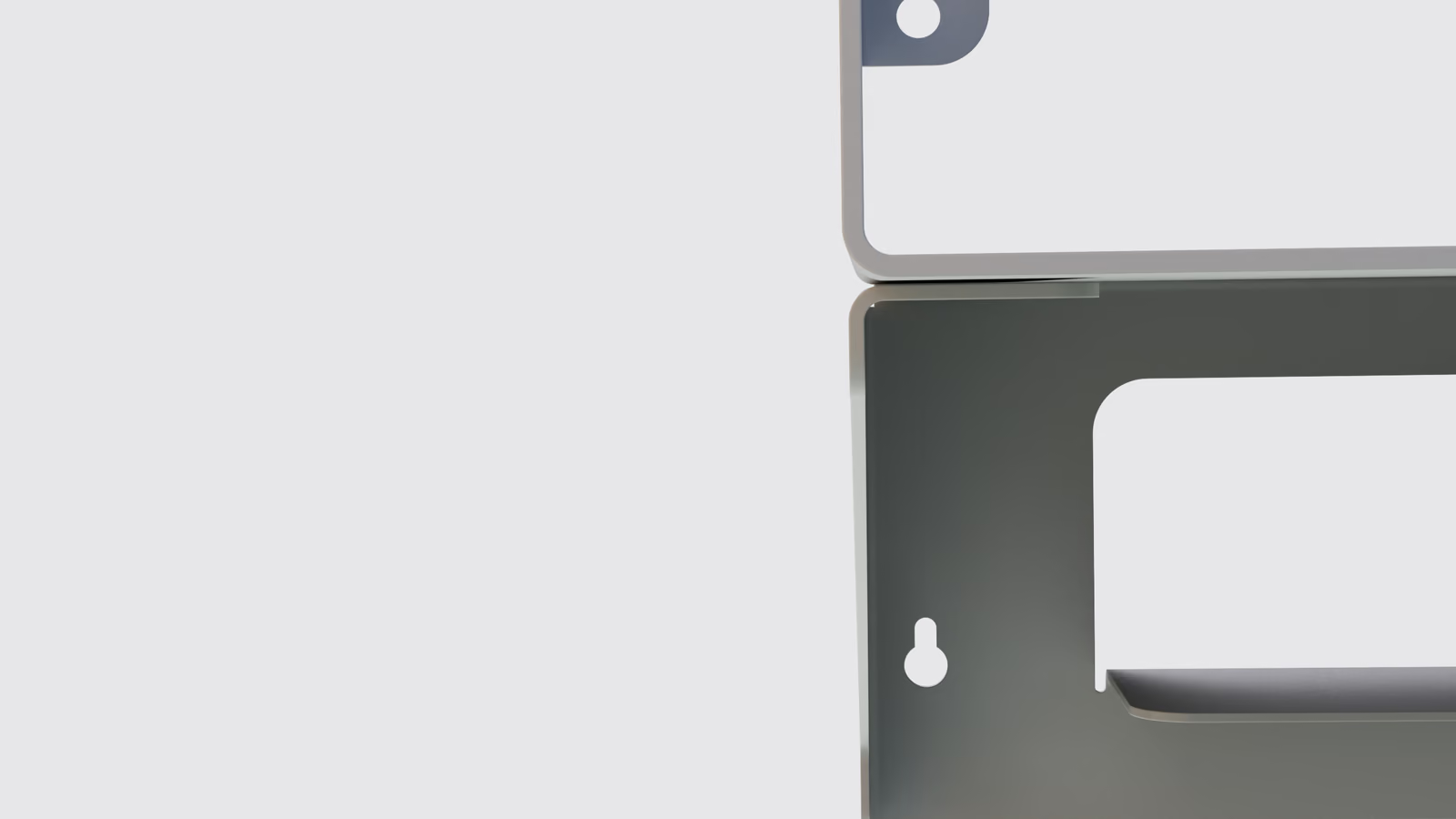
Every feature is cut into one flat blank, then three bends fold it into
shape.
- Nounnecessary assembly.
- Noseparate structure hidden behind the surface.
The way it is made is the reason it looks like this.
STRUCTURE
Geometry creates the structure.
The bends do more than change the shape.
- 01Stiffness
- 02Usable surface
- 03Boundaries
They give the sheet its stiffness, define the usable surface and create
the boundaries that keep objects where they belong.
The structure is not added to the product.
The structure comes from the geometry.
UTILITY
Small details. More use.

KAGE is more than a surface for displaying things.
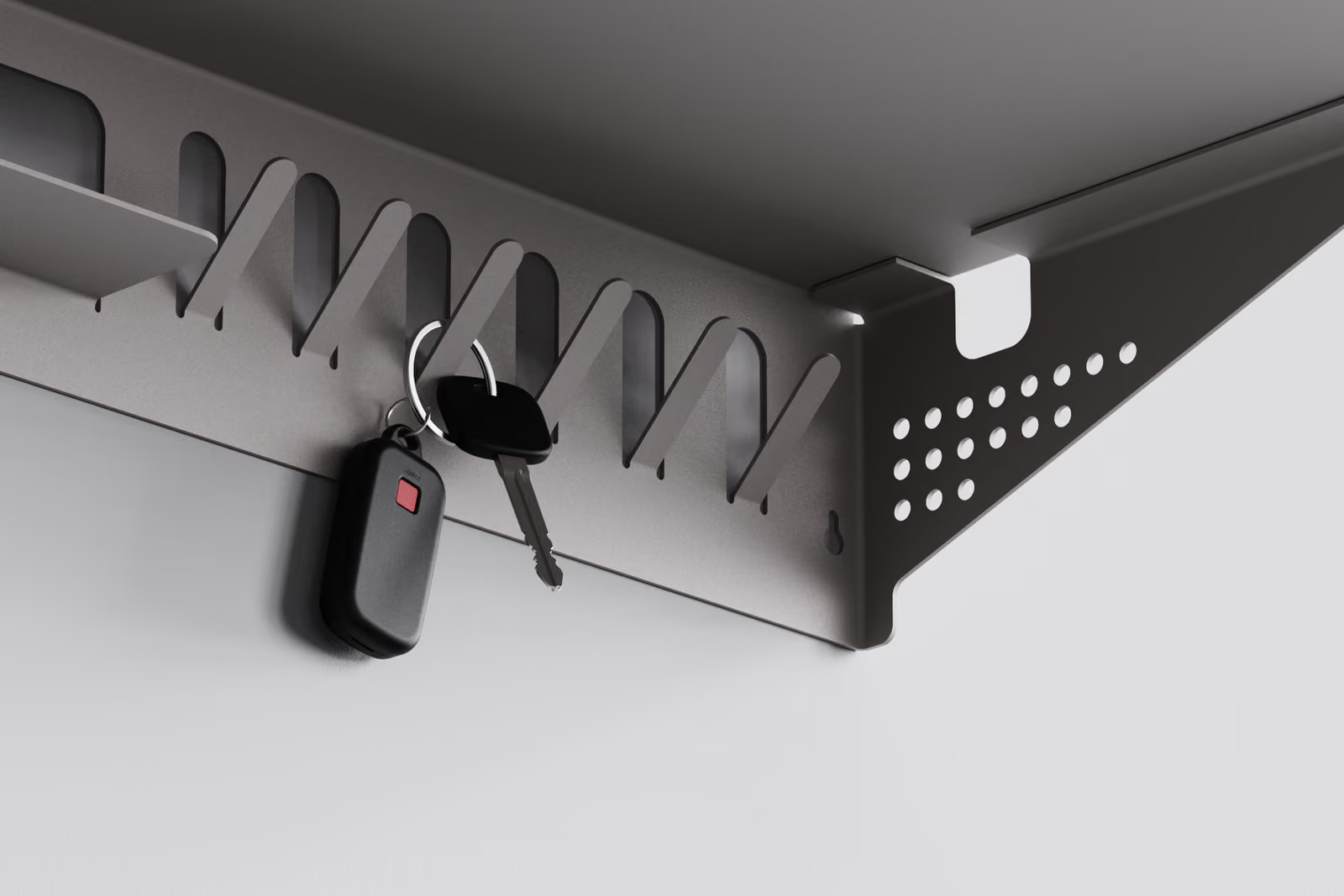
- 01Cut-outsThe cut-outs create places for smaller everyday objects - keys and
other things that are useful when they are close, but easy to lose. - 02Side guardsThe side guards contain books and objects without turning the shelf into
a closed box.
Nothing is added simply to make it look complete.
DESIGN + ENGINEERING
Designed and made as one problem.
The design and manufacturing decisions were developed together.
Industrial design established the form, proportion and interaction.
Mechanical design translated the idea into a stable, manufacturable
structure.
Manufacturing became part of the design process rather than a separate
final step.
Studio role
- 01Industrial DesignForm, proportion, interaction and fabrication-led design.
- 02Mechanical DesignStructure, bending logic and functional integration.
- 03ManufacturingDevelopment around practical sheet-metal fabrication.
PROTOTYPE
Three prototypes. Built by us.
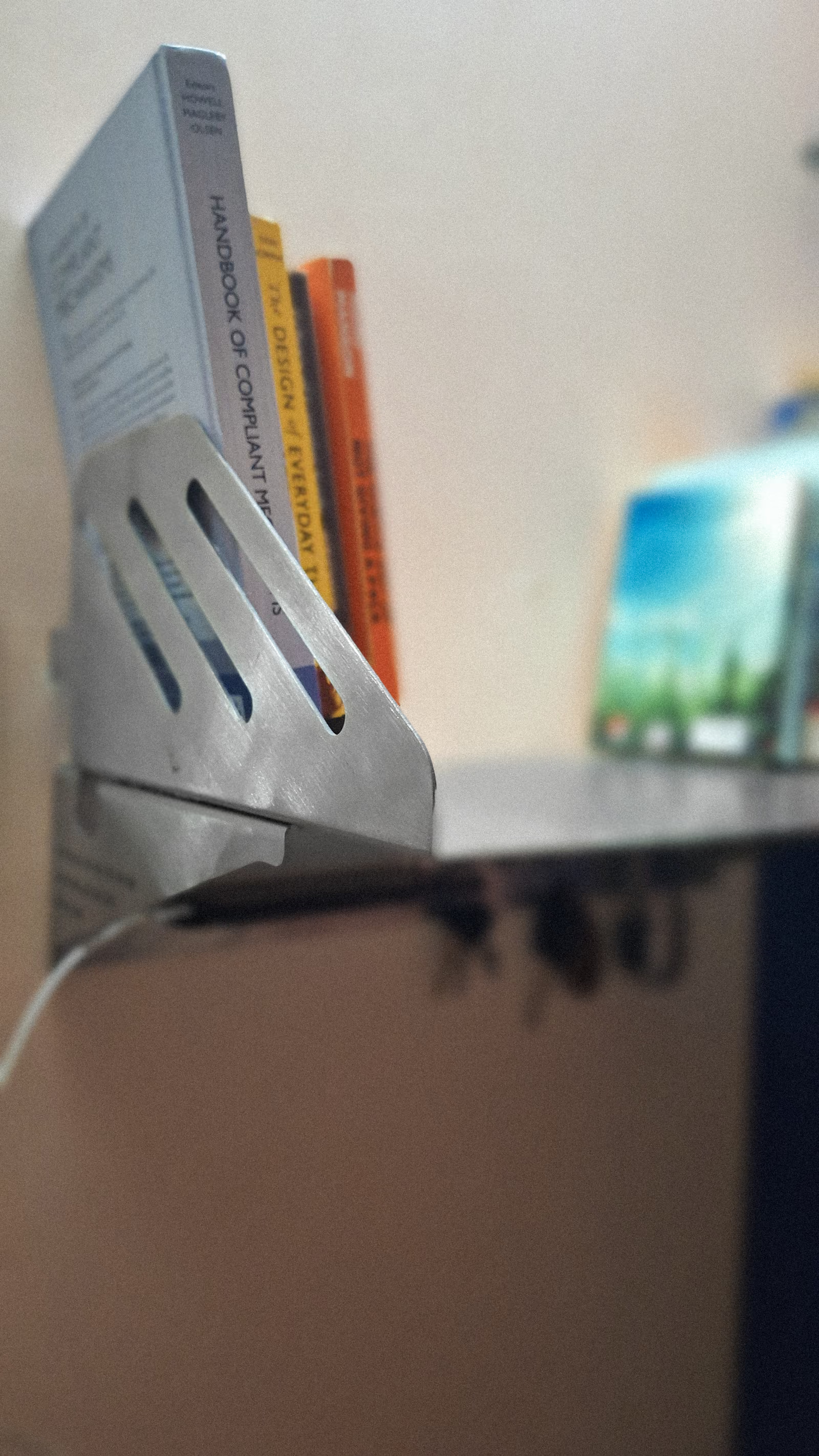
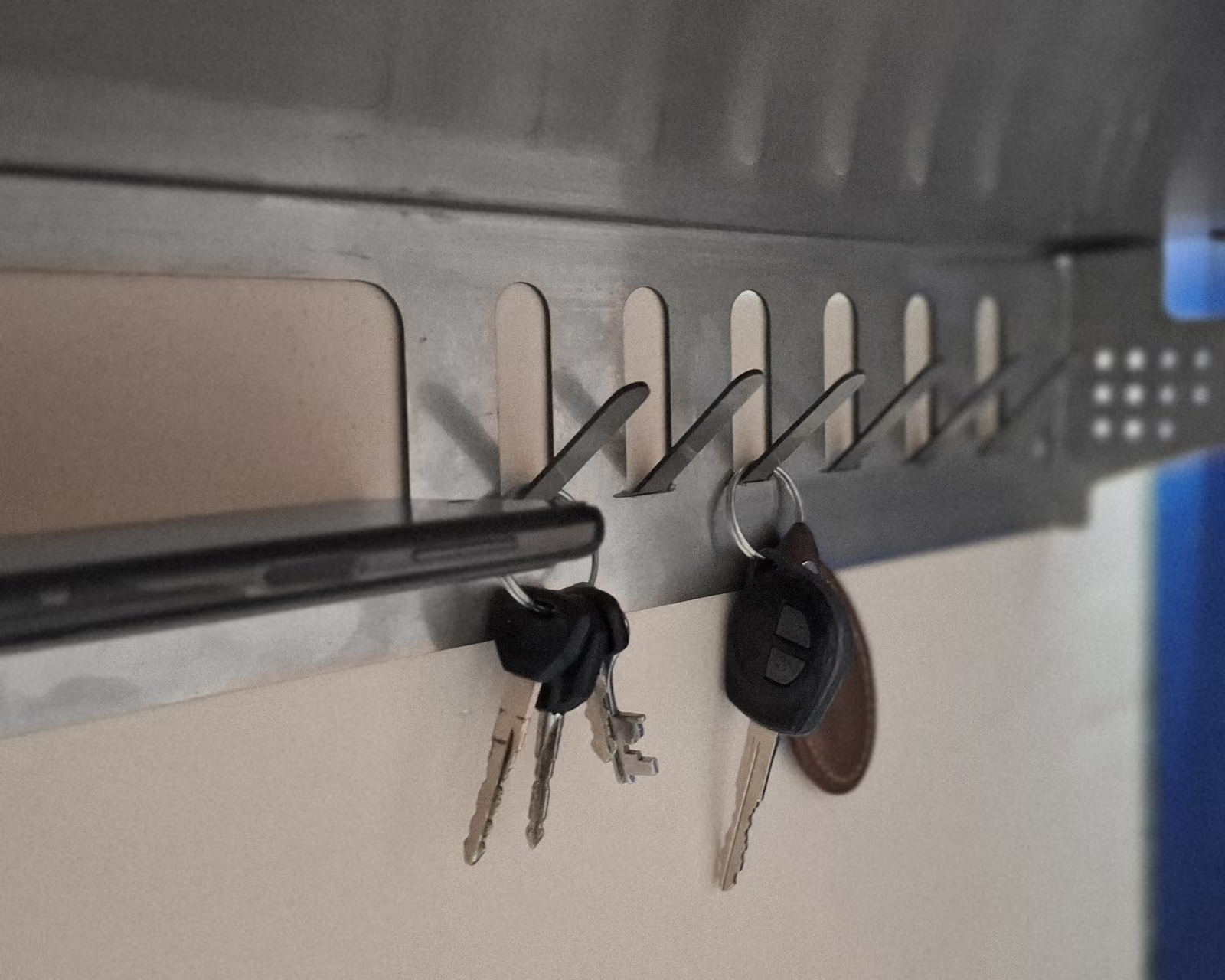
KAGE was not developed only as a CAD exercise.
Three physical samples were produced independently to test the idea as a
real object.
The prototypes allowed the form, fabrication approach and everyday use
to be experienced at full scale.
- 01Designed.
- 02Made.
- 03Using.
CLOSING
KAGE
One sheet. Few bends. A useful object.
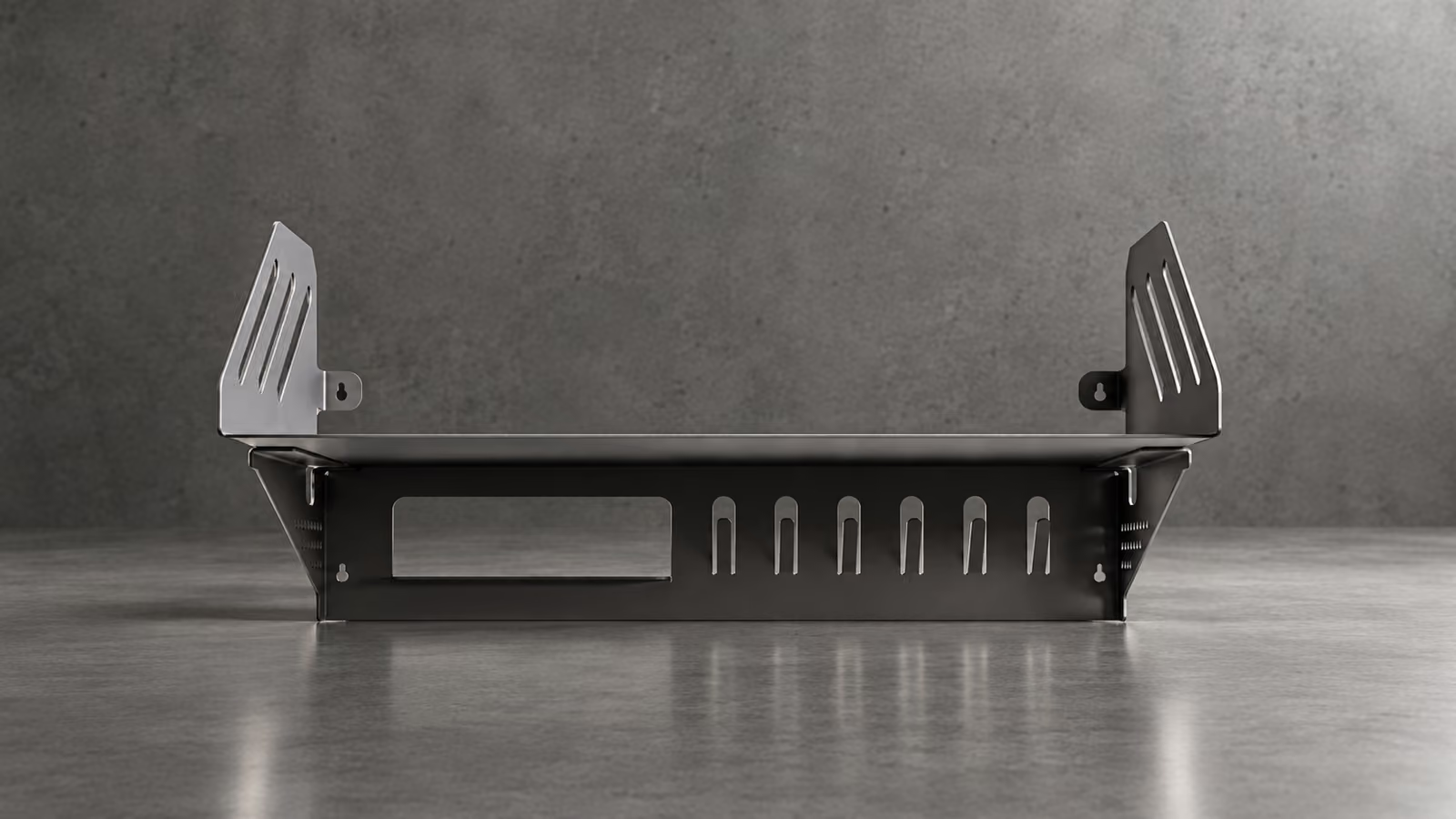
A shelf does not need to announce itself.
It needs to hold what belongs on it, keep small things within reach, and
occupy as little visual space as possible.
KAGE is an exploration of that idea.
- Lessmaterial
- Lessassembly
- Lessvisual noise
- Morepurpose